Operating Room Equipment Configuration
Choose The Right Or Equipment Combination
Select equipment by surgical function, room scale, anesthesia needs, imaging use and future expansion.
Why Or Equipment Configuration Matters
Reduce Equipment Mismatch
Operating tables, surgical lights, pendants, anesthesia machines and monitors should be selected according to intended procedures and room interfaces.
Support The Surgical Workflow
The equipment combination should cover patient positioning, anesthesia, monitoring, surgical energy, suction, infusion and emergency support.
Check Imaging Requirements
Orthopedics, endoscopy, OB/GYN and imaging-supported surgery may require procedure-specific devices and accessories.
Make Procurement Requirements Clearer
Room quantity, surgery type and required functions help suppliers recommend equipment more accurately than an incomplete product list.
Why Configure With MeCan Medical
Multi-Category Selection
Review tables, lights, anesthesia systems, monitors, pendants and supporting devices within one inquiry.
Application-Based Recommendations
Compare suitable equipment options according to surgery type, patient group, anesthesia requirements and imaging use.
Interface Confirmation
Identify gas terminal, socket, power, pendant load and optional module requirements before quotation.
Document Review
Available product documents are confirmed according to the selected model and destination market.
Operating Room Equipment Scope
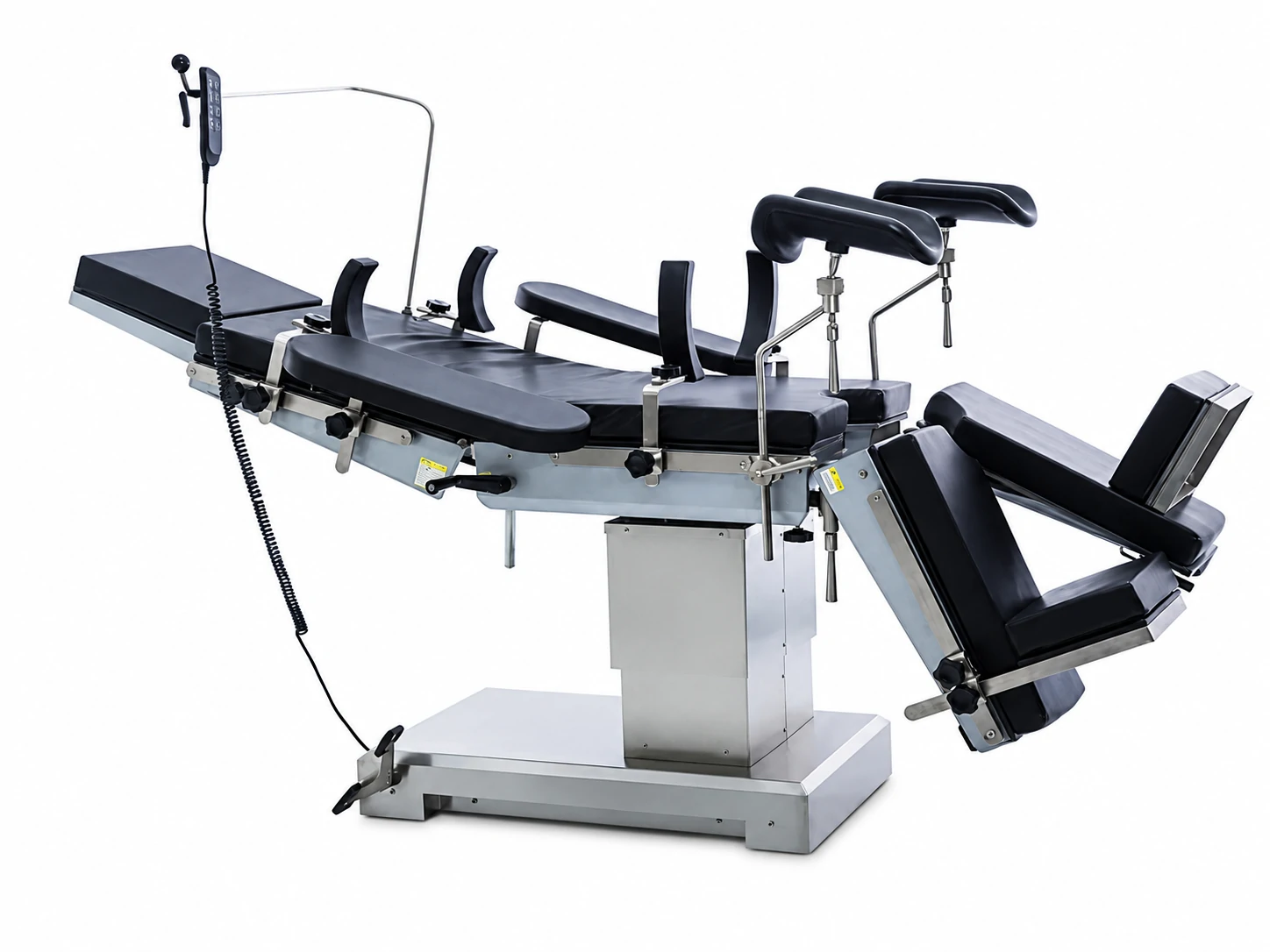
Operating Tables
Manual, electric, electro-hydraulic and imaging-compatible options selected by surgery type and positioning needs.
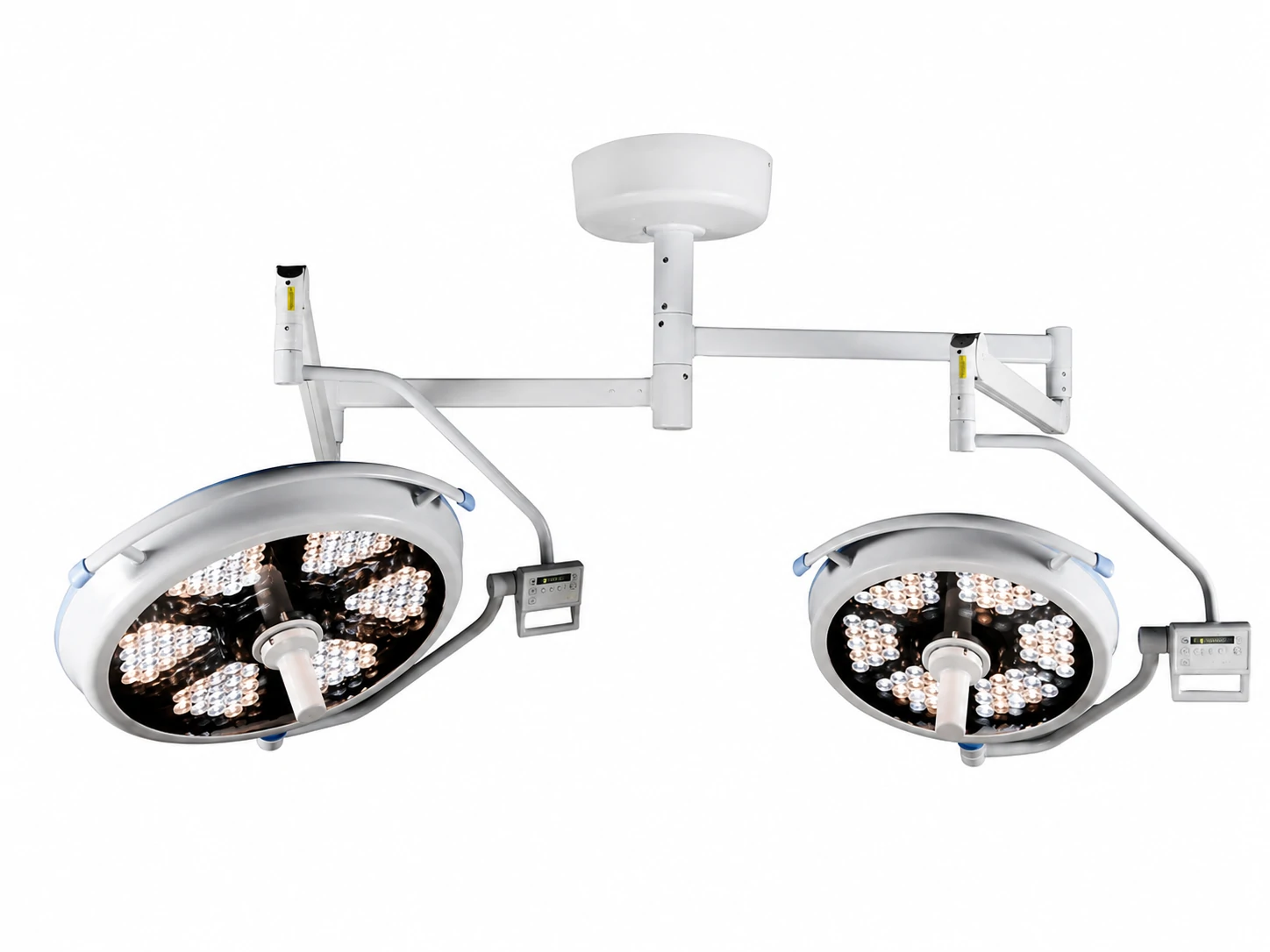
Surgical Lights
Mobile, single-head and dual-head configurations selected by procedure complexity and lighting coverage.
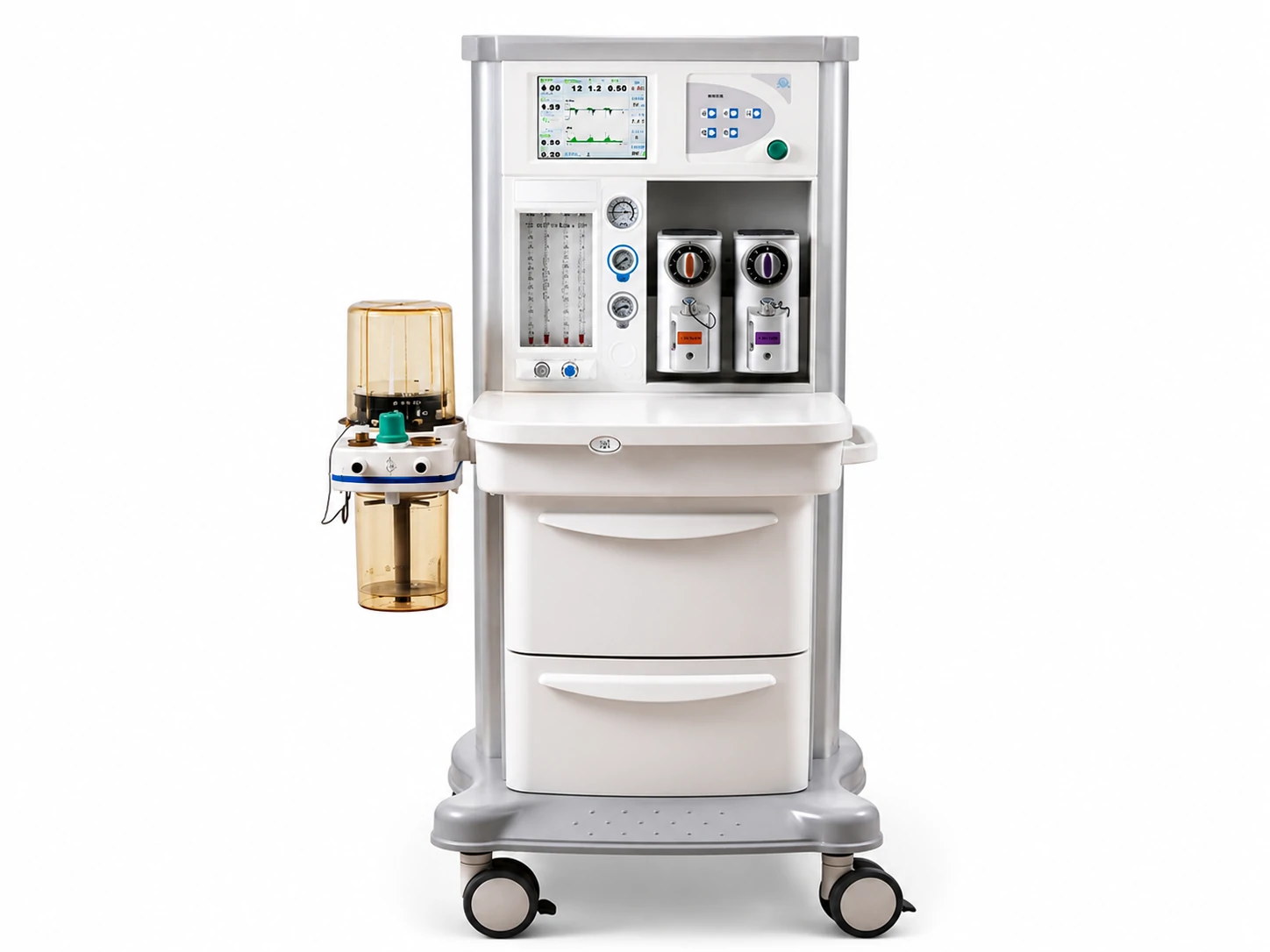
Anesthesia Machines
Selected by patient group, gas supply, ventilation modes, vaporizer requirements and battery needs.
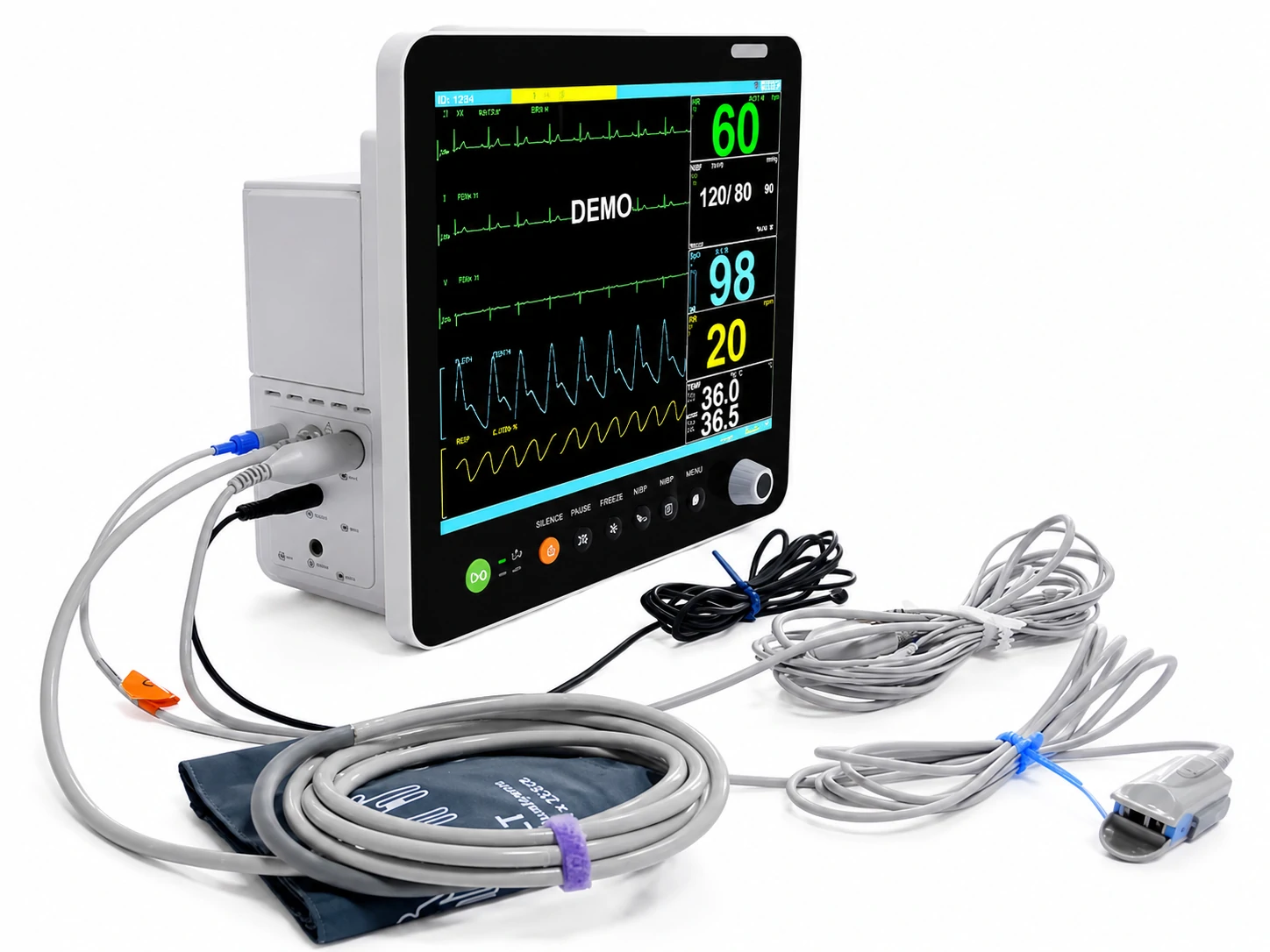
Patient Monitors
Configured with standard parameters and optional modules such as EtCO₂, IBP, recorder or central monitoring.
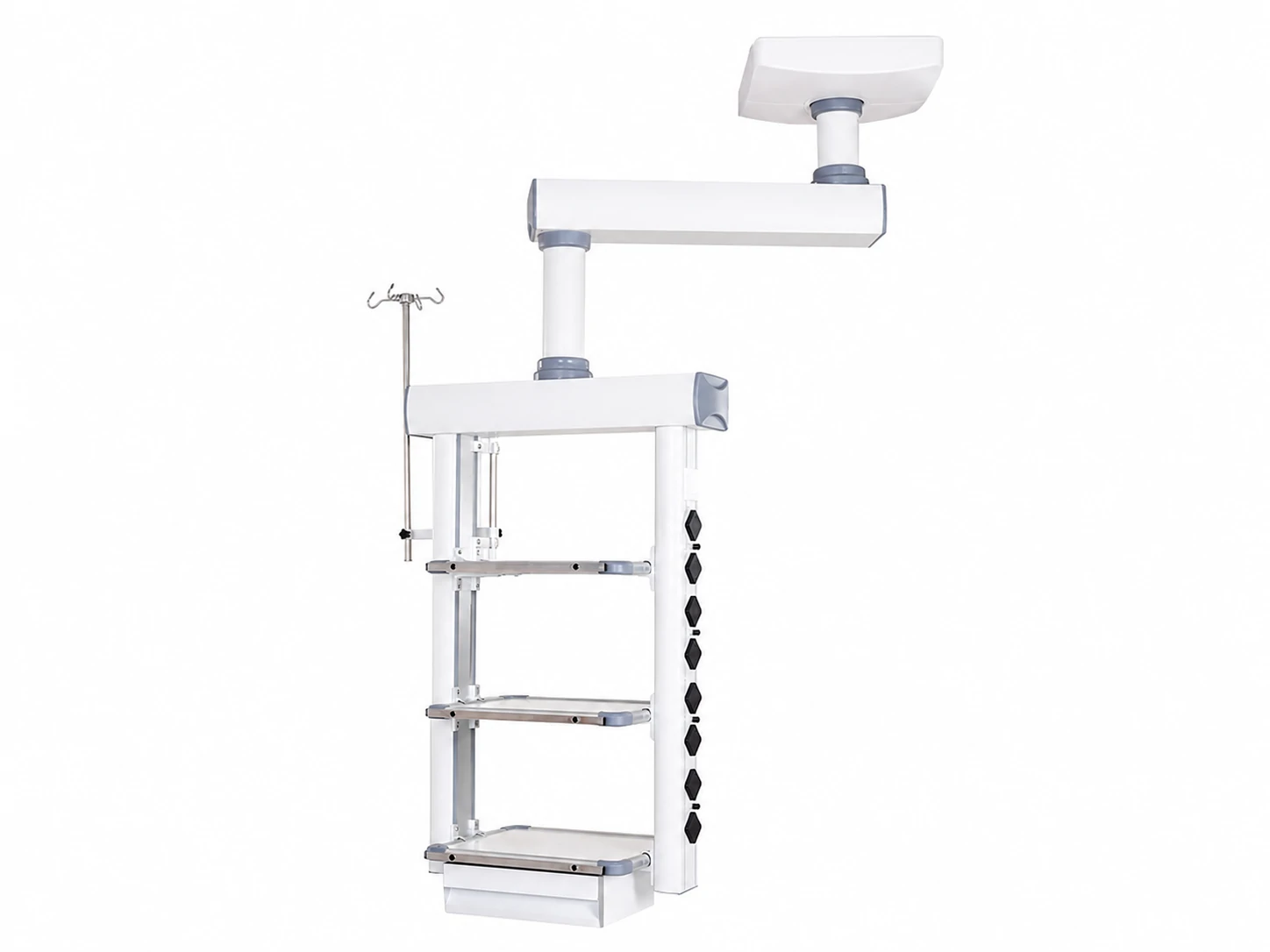
Medical Pendants
Selected by gas terminal type, socket standard, outlet quantity, load capacity and installation conditions.
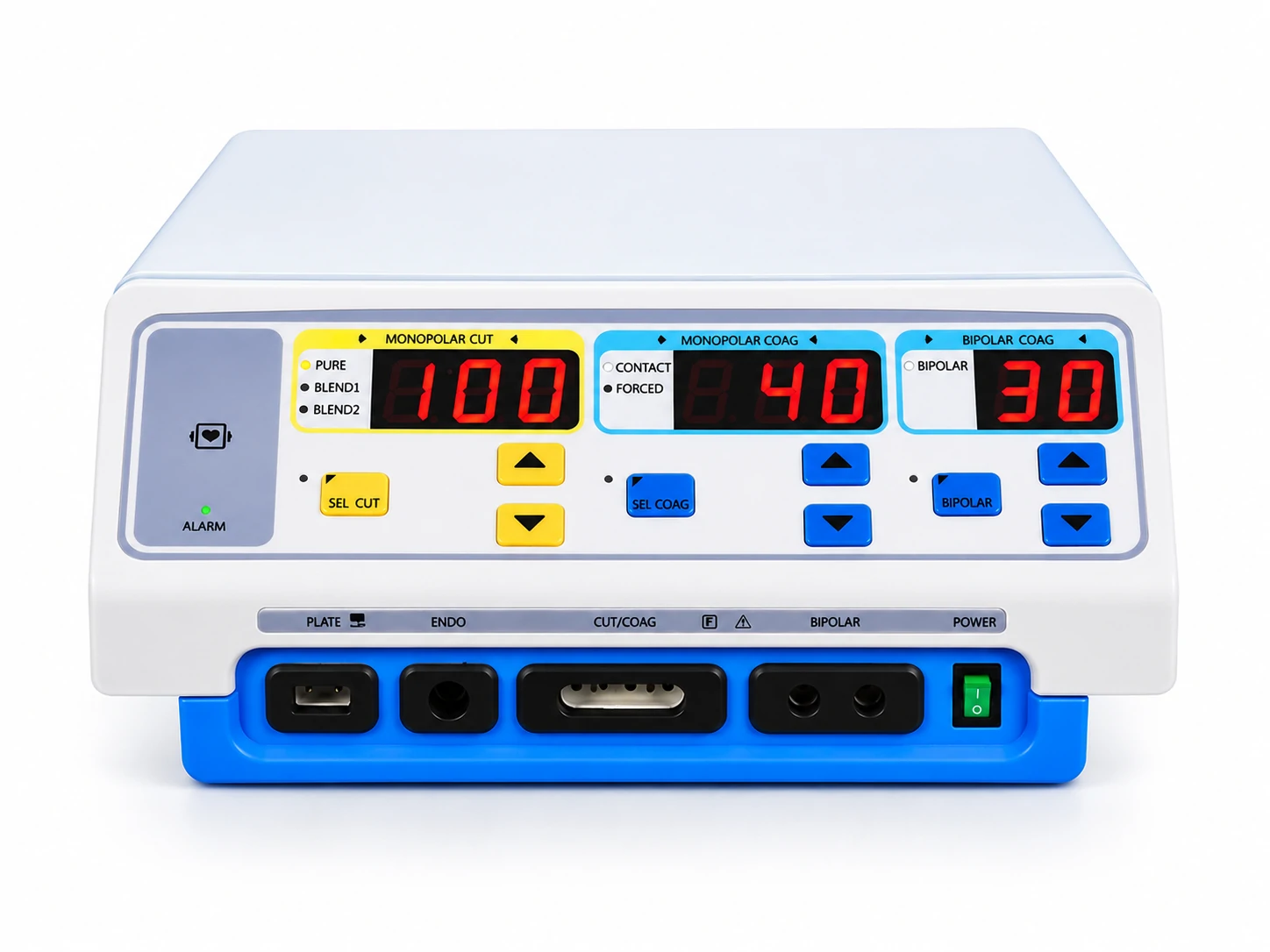
Surgical Energy & Support
Electrosurgical units, suction, infusion and emergency-support devices selected according to procedure requirements.
Optional Surgical Modules
Endoscopy & MIS
Video endoscopy, insufflation, imaging display and dedicated instruments.
Orthopedic Surgery
Orthopedic drill and saw systems, traction accessories and C-arm-compatible equipment.
OB/GYN Procedures
Gynecological tables, hysteroscopy equipment and procedure-specific accessories.
Microscope-Assisted Surgery
Surgical microscope options, precise positioning and longer-procedure support.
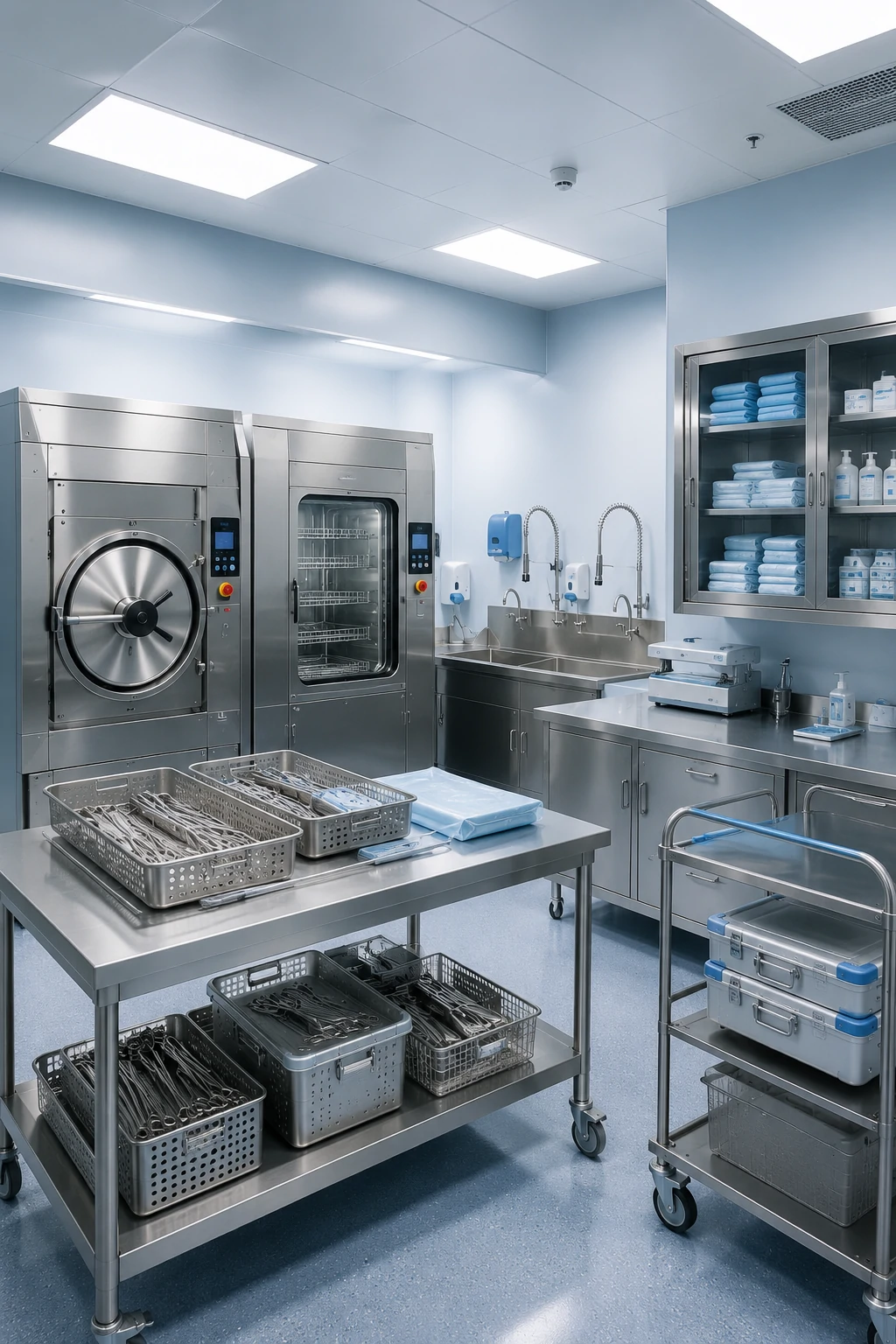
Sterilization And Perioperative Support
Operating room procurement should also consider how instruments are cleaned, sterilized, stored and returned to use.
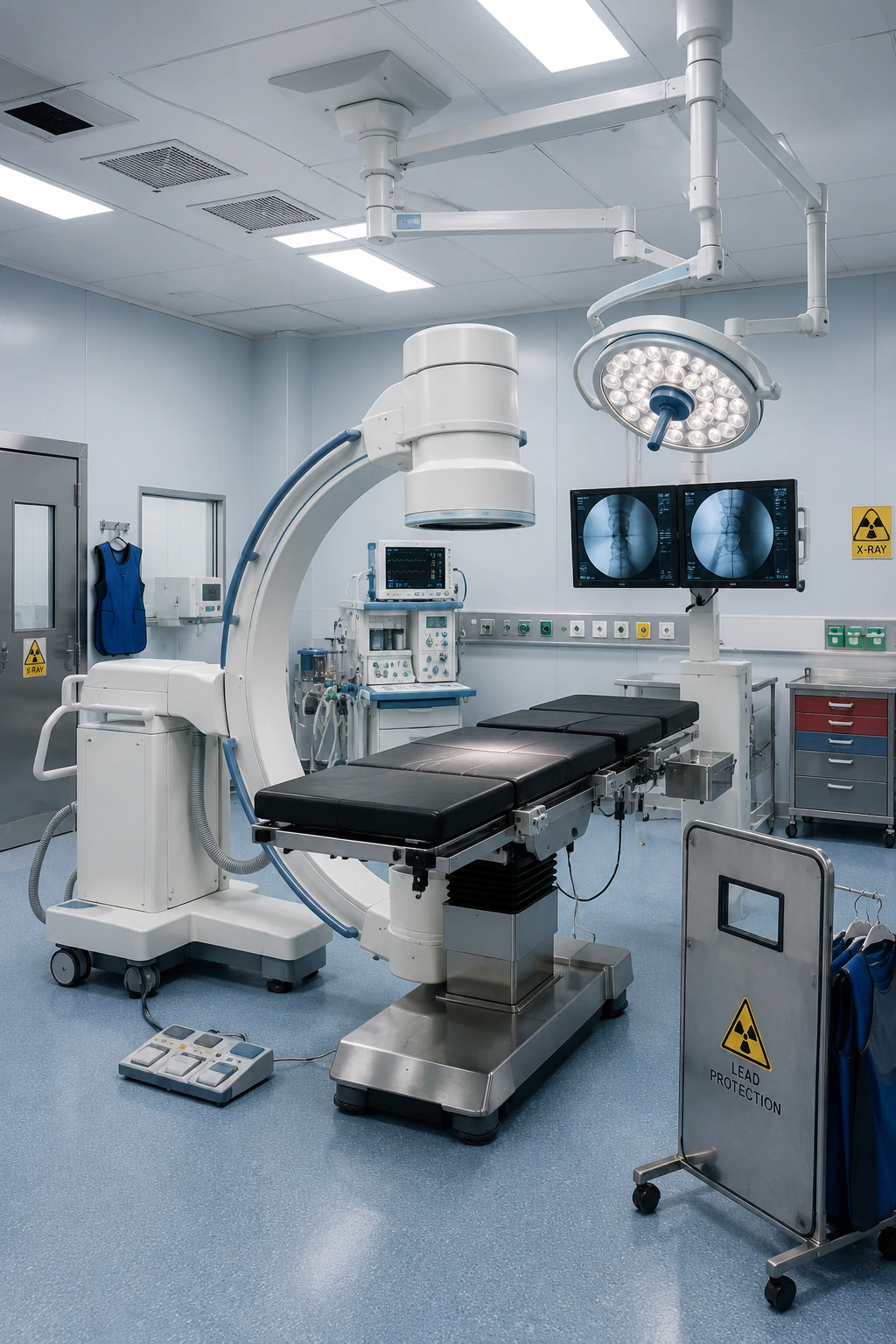
Imaging and Radiation Protection
Imaging-related equipment should only be included when the surgical application requires fluoroscopy or intraoperative imaging.
Typical OR Configuration Scenarios
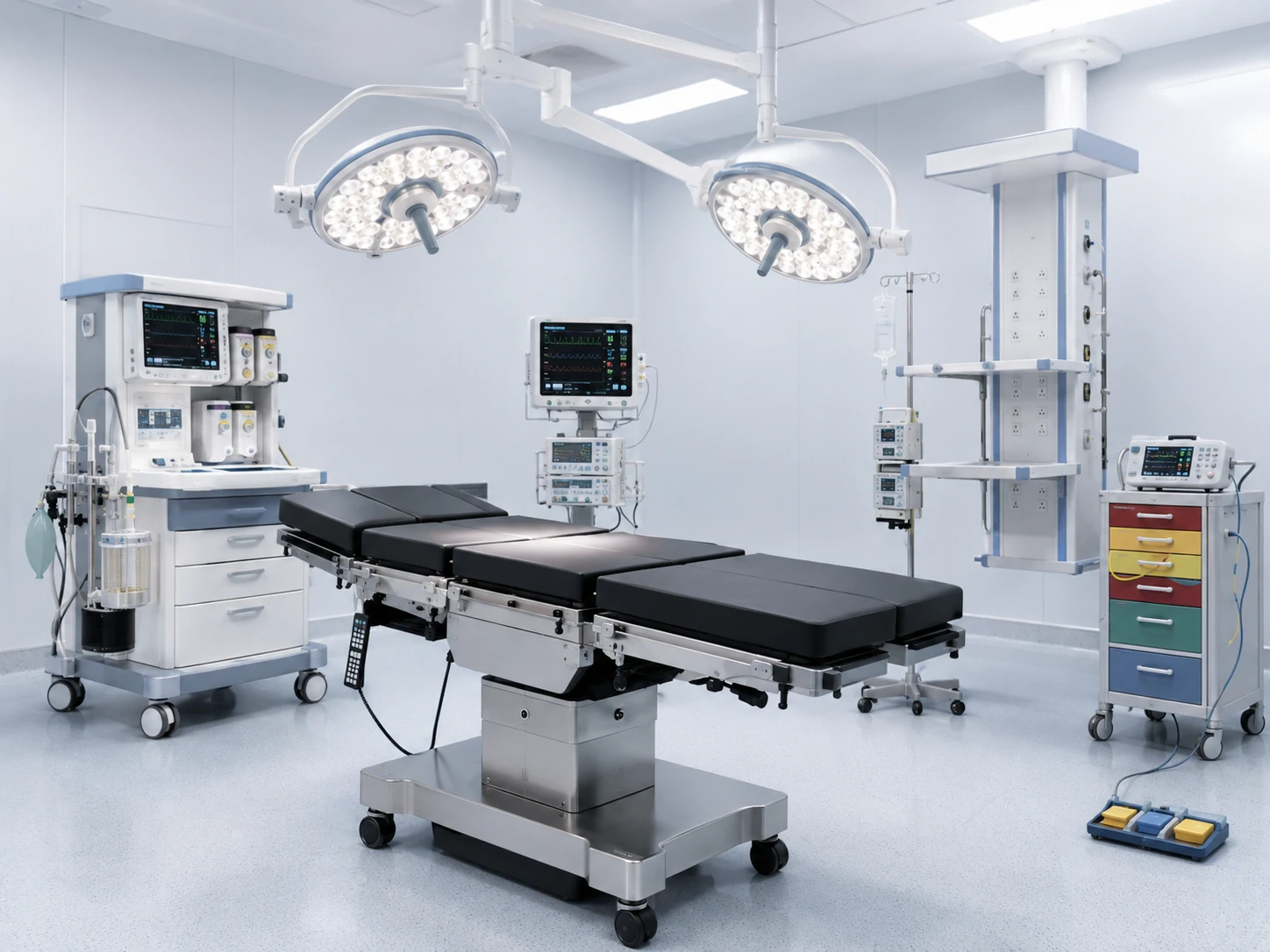
Routine General Surgery OR
- Electric operating table
- Dual-head surgical light
- Anesthesia machine
- Patient monitor
- ESU, suction and infusion
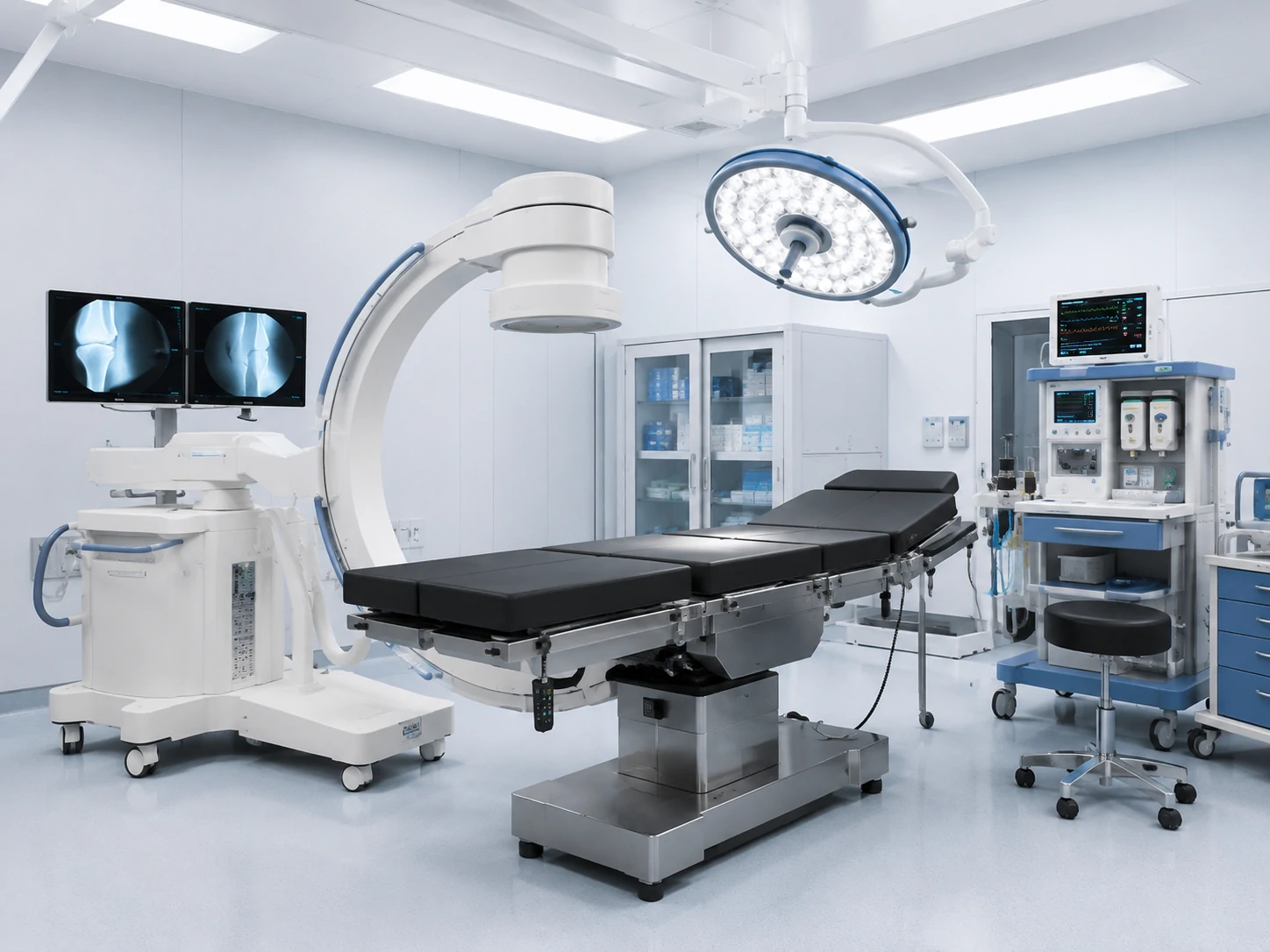
Orthopedic OR with C-Arm
- Imaging-compatible table
- Mobile or digital C-arm
- Orthopedic drill and saw
- Positioning accessories
- Radiation protection products
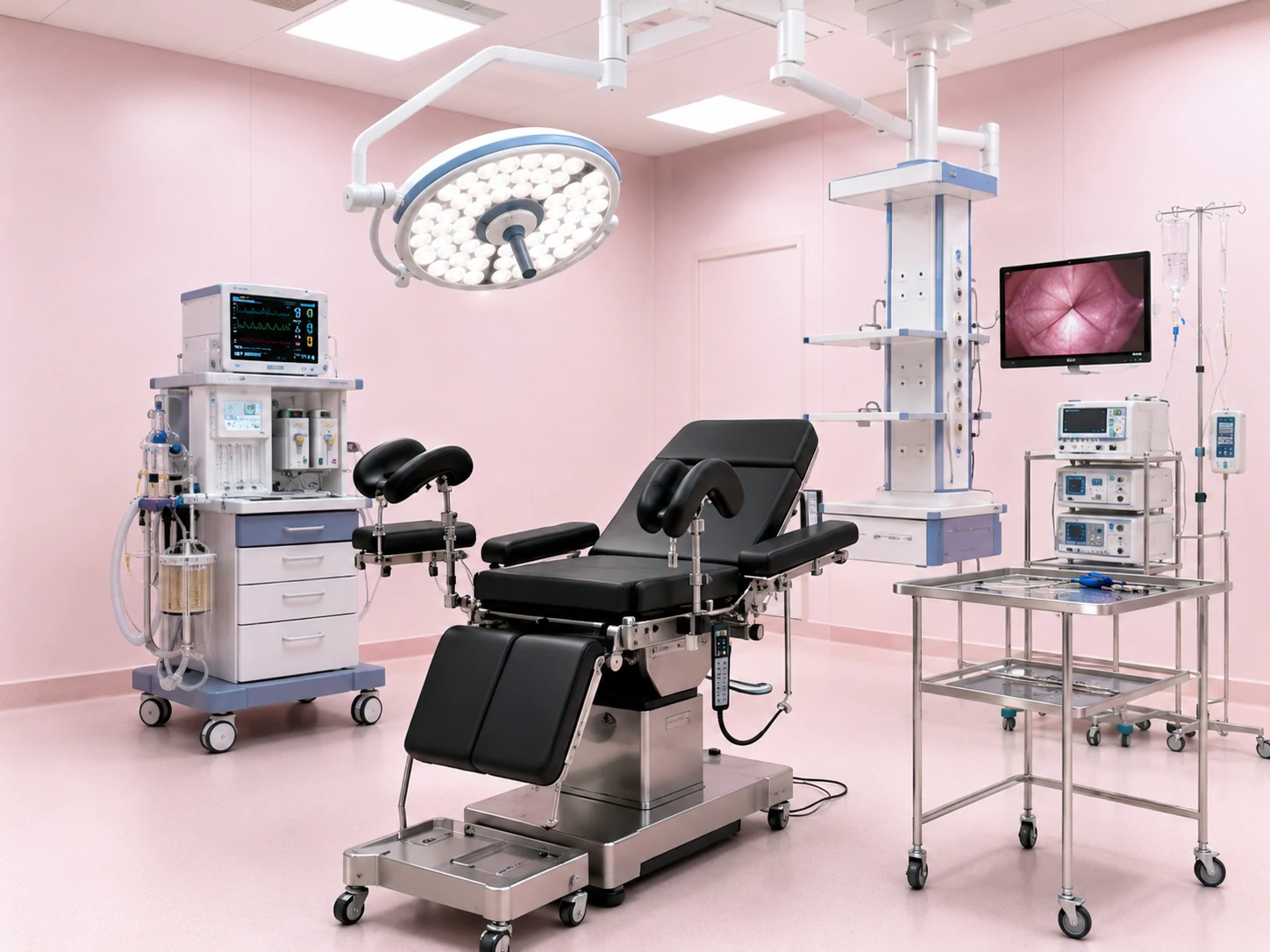
OB/GYN Operating Room
- Gynecological or multi-purpose table
- Surgical lighting
- Anesthesia and monitoring
- ESU, suction and infusion
- Procedure-specific accessories
Configuration Levels
Level
Suitable Use
Configuration Focus
Essential
Standard
Advanced
Equipment Scope By Function
Core OR Equipment
Operating table, LED surgical light, anesthesia machine, patient monitor, pendant, electrosurgical unit, suction and infusion support.
Specialty Modules
Optional modules for endoscopy, orthopedics, OB/GYN, microscope-assisted procedures and longer operations.
Sterilization & Support
Autoclaves, washer-disinfectors, scrub sinks, instrument handling, emergency support and recovery-related devices.
Imaging & Protection
C-arm options, imaging-compatible tables and radiation protection products when imaging-guided procedures are required.
How To Choose The Right Configuration
1. Define the surgical scope
Routine, general, OB/GYN, orthopedics, endoscopy, trauma, teaching or imaging-supported procedures.
2. Confirm patient and anesthesia needs
Adult, pediatric or neonatal patients, ventilation requirements, procedure duration and patient risk level.
3. Check imaging requirements
C-arm use affects table compatibility, room arrangement and radiation protection requirements.
4. Confirm gas and power interfaces
Check gas types, terminal standards, socket standards, outlet quantity, voltage and pendant conditions.
5. Estimate surgical volume
Higher procedure volume may require stronger sterilization capacity and more efficient instrument turnover.
6. Plan future expansion
Consider future specialties before selecting tables, pendants, anesthesia systems and imaging equipment.
A Clear Process for Smoother Delivery

Consultation
Supply and delivery
Configuration and BOQ
Installation and commissioning
Layout confirmation
Training and service support
Request an OR Equipment Configuration
Whether you are equipping a single operating room or seeking a one-stop, cost-effective turnkey solution for an entirely new hospital build, we are here to help. Avoid procurement risks with our CE/ISO certified equipment and proven supply chain.
20 Years Medical Equipment Export
5000+ Hospital Projects Supported
Engineering Installation & Training Available
You will receive suitable equipment and configuration options based on the information provided. Final availability, documentation and quotation scope depend on the selected products and destination market.
FAQ
A routine operating room commonly includes an operating table, LED surgical light, anesthesia machine, patient monitor, electrosurgical unit, suction unit, infusion or syringe pumps, emergency equipment and instrument-handling furniture.