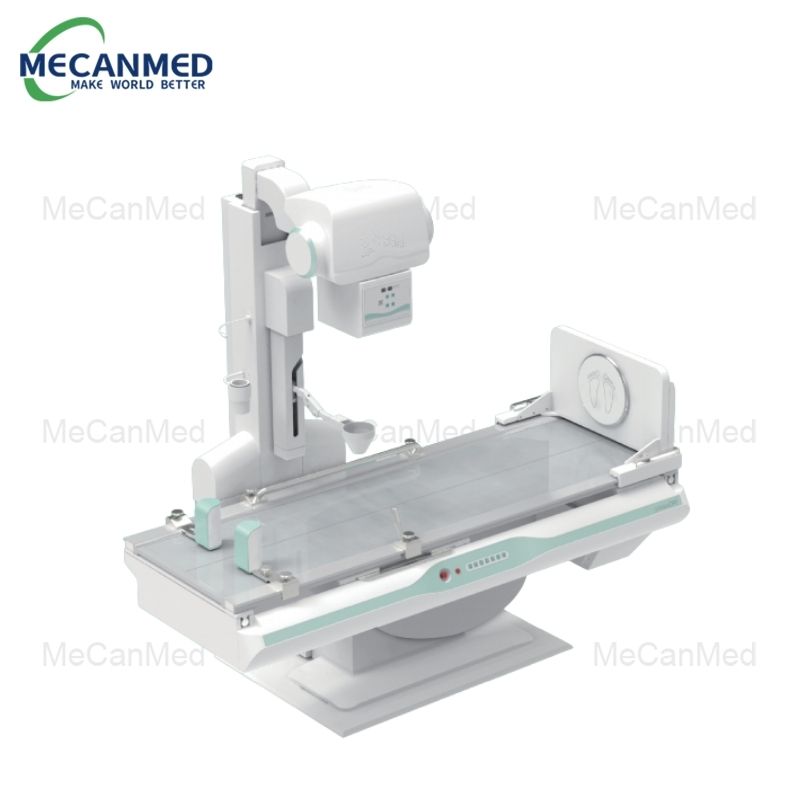
Medical imaging refers to techniques that create visual representations of the body's interior for diagnosis, treatment, and monitoring without invasive procedures. X-ray, one of the most widely used methods, is essential for detecting diseases like pneumonia, tumors, and bone fractures, as well as evaluating injuries and internal conditions. Recent innovations in X-ray technology have improved diagnostic accuracy, patient safety, and treatment efficiency, transforming patient care and streamlining medical procedures. This article explores these advancements and their impact on healthcare.
Evolution of X-ray Technology in Medical Imaging
Early X-ray Discoveries and Milestones
History of X-rays: X-ray technology was discovered by Wilhelm Roentgen in 1895, marking a breakthrough moment in medical diagnostics. Roentgen’s invention revolutionized how doctors could visualize the inside of a patient’s body without surgery.
Milestones in X-ray Technology: Early X-ray technology used photographic films that captured images of the body. However, the images were often unclear, and the radiation exposure was high. Over time, digital imaging and advancements in imaging processing have significantly improved image quality and patient safety.
Early Challenges and Limitations in X-ray Imaging: One of the primary challenges was the exposure to high levels of radiation, which raised concerns about potential harm to patients and healthcare workers. Early X-ray machines were bulky and slow, making them less efficient for quick diagnostics.
Transition from Film to Digital X-ray Systems
Benefits of Digital X-ray Technology: Digital X-ray systems offer clearer images than traditional film-based systems and can be easily stored, shared, and analyzed electronically, improving efficiency in healthcare settings.
How Digital Systems Improve Image Quality and Speed: Digital X-rays allow for immediate results, reducing the waiting time for patients. The high-resolution images they produce provide more detail, which helps physicians make accurate diagnoses.
Reduction in Radiation Exposure with Digital X-rays: Digital X-ray machines emit less radiation compared to traditional film-based systems, helping mitigate the risks associated with radiation exposure.
Game-Changing Innovations in X-ray Technology
3D and 4D X-ray Imaging
Introduction to 3D and 4D Imaging in X-rays: Traditional X-rays produce 2D images, but 3D and 4D imaging technologies provide a more comprehensive view of the body’s internal structures. 3D imaging creates three-dimensional visualizations, while 4D imaging adds a time element, enabling dynamic, real-time imaging.
How These Innovations Help Visualize Complex Structures: 3D and 4D X-ray technology is particularly useful in visualizing complex anatomical structures such as organs, blood vessels, and joints. This technology aids in assessing tumor sizes, detecting anomalies, and planning surgeries more effectively.
Benefits for Surgical Planning and Diagnostics: Surgeons use 3D and 4D imaging to create detailed models of a patient’s anatomy, improving precision during operations and reducing the risk of errors.
Artificial Intelligence (AI) in X-ray Imaging
Role of AI in Analyzing X-ray Images: Artificial intelligence is transforming X-ray imaging by helping doctors analyze large volumes of images quickly. AI algorithms can identify patterns, abnormalities, and potential health risks that may be difficult for human eyes to detect.
Examples of AI-Powered Tools: AI tools, like Google's DeepMind and Zebra Medical Vision, are already in use to identify signs of conditions such as cancer, tuberculosis, and fractures from X-ray images. These tools assist radiologists in making faster and more accurate diagnoses.
AI in Detecting Abnormalities: AI-driven X-ray interpretation systems are now capable of detecting minute anomalies, such as early-stage tumors or hairline fractures, that might otherwise go unnoticed, significantly improving patient outcomes.
Portable and Mobile X-ray Devices
Advancements in Portable X-ray Machines: Mobile X-ray devices allow healthcare providers to conduct imaging at the point of care, whether in emergency rooms, remote locations, or patients' homes. These devices are more compact, lightweight, and easy to transport compared to traditional stationary units.
Benefits in Emergency Care and Remote Locations: Portable X-rays offer timely imaging results for trauma patients or those in critical care situations. They are also crucial in underserved or disaster-stricken areas, where access to healthcare infrastructure is limited.
Transforming Healthcare Delivery in Field Hospitals: Mobile X-ray devices have become indispensable in field hospitals, military settings, and rural clinics, providing on-site diagnostics and improving the speed and efficiency of medical responses.
Low-Dose X-ray Technology
What Low-Dose X-ray Technology Is: Low-dose X-ray technology refers to systems that use advanced techniques to reduce radiation exposure while still providing high-quality imaging. This is particularly important in routine diagnostic procedures like mammography or chest X-rays.
How This Innovation Reduces Radiation Exposure: Modern X-ray systems incorporate advanced imaging algorithms and filters to minimize radiation levels while maintaining the clarity of the images, ensuring patient safety without compromising diagnostic accuracy.
Applications in Routine Diagnostics: Low-dose X-rays are now commonly used in mammograms, dental X-rays, and pediatric imaging, where reducing radiation exposure is critical for long-term health.
Hybrid Imaging: Combining X-rays with Other Modalities
Introduction to Hybrid Imaging Techniques: Hybrid imaging, such as PET/CT (Positron Emission Tomography/Computed Tomography) and SPECT/CT (Single Photon Emission Computed Tomography/CT), combines the precision of X-ray imaging with functional imaging techniques.
How Hybrid Imaging Combines the Strengths of X-ray: These hybrid systems allow physicians to simultaneously capture anatomical and functional information, such as blood flow or metabolic activity. This provides a more comprehensive view of the patient's condition.
Applications in Cancer Detection, Cardiology, and Neurology: Hybrid imaging has become a standard tool in oncology to detect and monitor cancer, in cardiology for assessing heart health, and in neurology for brain imaging and assessing neurological conditions.
Impact of X-ray Innovations on Medical Diagnosis and Treatment
Enhanced Diagnostic Accuracy and Speed
Improved Accuracy with New X-ray Technologies: With advancements in image quality, 3D/4D imaging, and AI assistance, the accuracy of diagnoses has drastically improved. These innovations allow for the detection of diseases in their earliest stages, when they are most treatable.
Faster Imaging Results: The speed at which X-ray images are produced has also increased, reducing the wait time for both patients and doctors. This efficiency leads to quicker decision-making and faster treatment initiation.
Case Studies Demonstrating Improved Diagnostic Outcomes: For example, AI-powered X-ray systems have been shown to detect breast cancer earlier than traditional methods, leading to more successful treatments and improved survival rates.
Benefits for Patient Comfort and Experience
Reducing Patient Discomfort with Portable X-rays: Innovations like portable X-ray machines allow patients to receive imaging without needing to be transported to a radiology department, reducing stress and discomfort.
The Role of 3D Imaging in Reducing Invasive Procedures: With 3D imaging, doctors can obtain detailed views of organs and tissues without performing invasive procedures like biopsies, significantly improving patient comfort and reducing risks.
Making the Experience Less Intimidating: Modern X-ray machines are more patient-friendly, with designs that reduce anxiety and physical discomfort during the process.
Cost-Effectiveness and Efficiency in Healthcare
Cost Benefits of Digital and Mobile X-ray Systems: While the initial investment in advanced X-ray technology may be high, the long-term savings come from improved efficiency, reduced need for repeat imaging, and lower radiation exposure.
How New X-ray Technologies Reduce Overall Healthcare Costs: By increasing the speed of diagnosis and treatment, innovations in X-ray technology reduce the length of hospital stays, the need for additional testing, and the costs associated with misdiagnoses.
Increased Efficiency in Medical Practices and Hospitals: With faster processing times, integrated software systems, and AI-powered analysis, hospitals and clinics can handle more patients in less time, improving workflow and patient satisfaction.
The Future of X-ray Innovations
Emerging Technologies in X-ray Imaging
Quantum X-rays and Next-Gen AI: Quantum X-ray technology, which uses advanced sensors to capture images at a molecular level, holds the potential to provide even more detailed and accurate images than current systems. AI advancements are likely to push the boundaries of diagnostic accuracy, automating the process further.
Potential Impact on Healthcare: The future of X-ray technology promises more precise diagnostics, faster imaging, and even lower doses of radiation, improving patient safety and healthcare outcomes.
Predictions for the Future: As technology continues to evolve, we may see fully automated X-ray diagnostic systems, integrated with real-time data analysis, becoming a standard in healthcare.
Ethical Considerations and Challenges
Over-Reliance on AI in Medical Imaging: The integration of AI tools raises concerns about the potential for misdiagnoses, particularly if algorithms are not properly trained or are used without sufficient human oversight.
Ethical Concerns Regarding Data Privacy: As X-ray images become increasingly digitized and integrated into healthcare systems, there are growing concerns about patient privacy, consent, and data security.
Balancing Innovation with Safety: With the rapid pace of innovation, ensuring that safety protocols and ethical guidelines keep up with new technologies will be crucial in protecting both patients and healthcare providers.
Conclusion
Summary of Key Innovations in X-ray Technology: Innovations such as AI-powered analysis, portable X-ray devices, 3D imaging, and low-dose technology have revolutionized medical imaging, providing faster, more accurate, and safer diagnostic tools.
Final Thoughts on the Impact of X-ray Innovations on Healthcare: These advancements not only improve the accuracy and speed of diagnoses but also enhance patient care and comfort. The future of X-ray technology looks bright, with continued advancements promising to further transform the landscape of healthcare.
FAQs
Q: How do 3D and 4D X-rays improve medical diagnosis?
A: They allow for detailed visualization of complex internal structures, enhancing diagnostic accuracy and assisting in surgical planning.
Q: What role does AI play in modern X-ray imaging?
A: AI analyzes X-ray images to detect abnormalities such as tumors or fractures, improving diagnostic speed and accuracy.
Q: Are portable X-ray devices as effective as traditional ones?
A: Yes, portable devices provide high-quality images and are especially useful for emergency care and remote locations, without compromising diagnostic accuracy.
Q: How does low-dose X-ray technology help reduce radiation exposure?
A: Low-dose X-ray technology uses advanced techniques to capture high-quality images with significantly less radiation, reducing risks for patients.
Q: What does the future hold for X-ray technology in medical imaging?
A: Emerging technologies like quantum X-rays and advanced AI tools are expected to further improve diagnostic capabilities, speed, and patient safety.