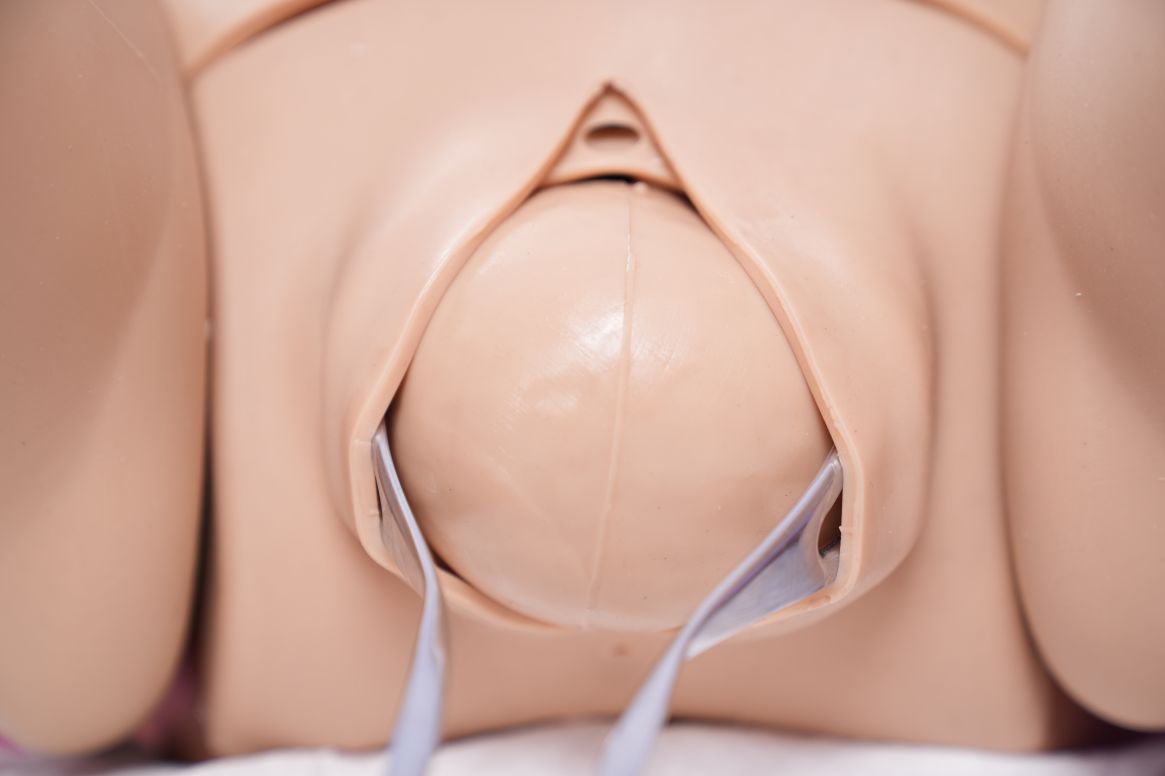
Obstetric training isn’t what it used to be. With patient safety and hands-on skills now front and center, top medical schools and simulation centers are rethinking their approach. People agree on one thing: those old, stiff manikins just don’t cut it anymore. Labor and delivery is unpredictable-you need training tools that can keep up. That’s why the field is moving towards advanced childbirth simulators that don’t just show anatomy, but actually mirror the real physiological changes happening to both mother and baby. As we head into 2026, this shift is shaping what institutions demand from a next-level childbirth simulator.
1. Dynamic Physiological Feedback: A Synchronized Maternal-Fetal Experience
In 2026, realistic training means you get real-time vital sign synchronization between mother and fetus. The best systems let you see how a sudden drop in the mother’s blood pressure-say, from eclampsia-immediately affects the baby’s heart rate. This kind of direct connection pushes clinicians to spot links fast and react under pressure, not just stare at disconnected numbers. The advanced childbirth simulators tie everything together on a single, hospital-grade monitor, forcing teams to make split-second decisions the same way they would in a real emergency.
2. Modular and Scalable Hardware for Flexible Curricula
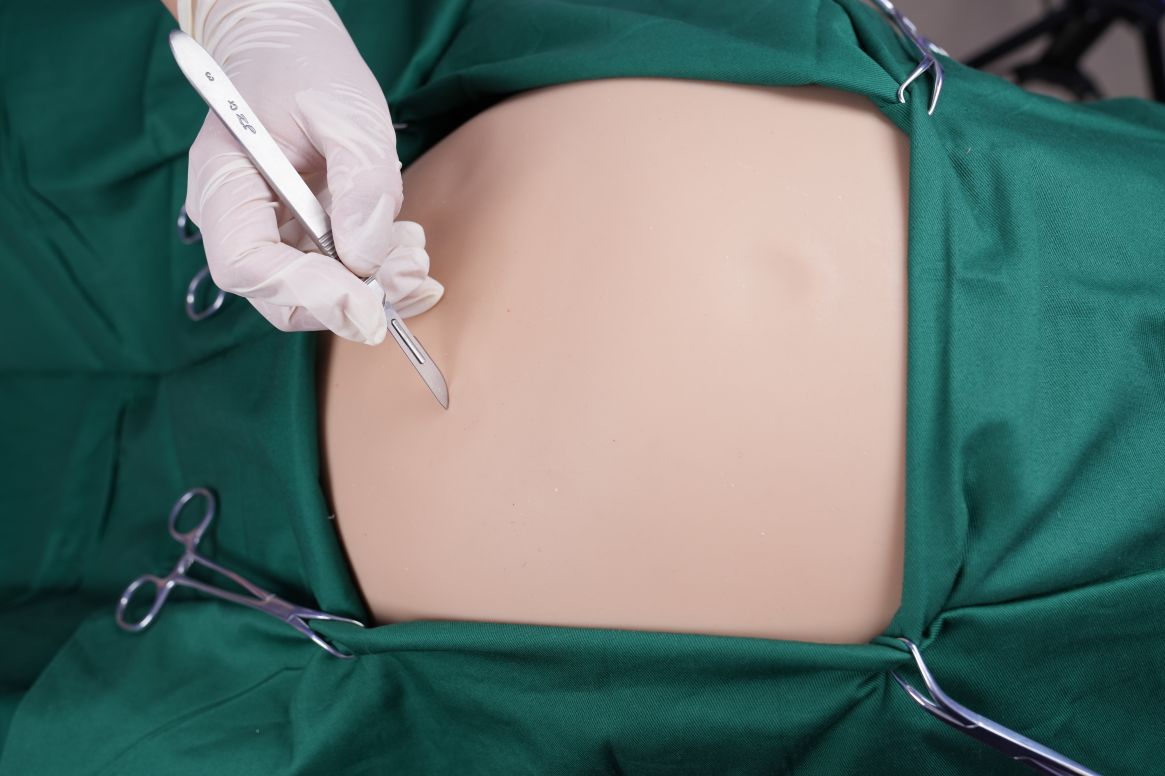
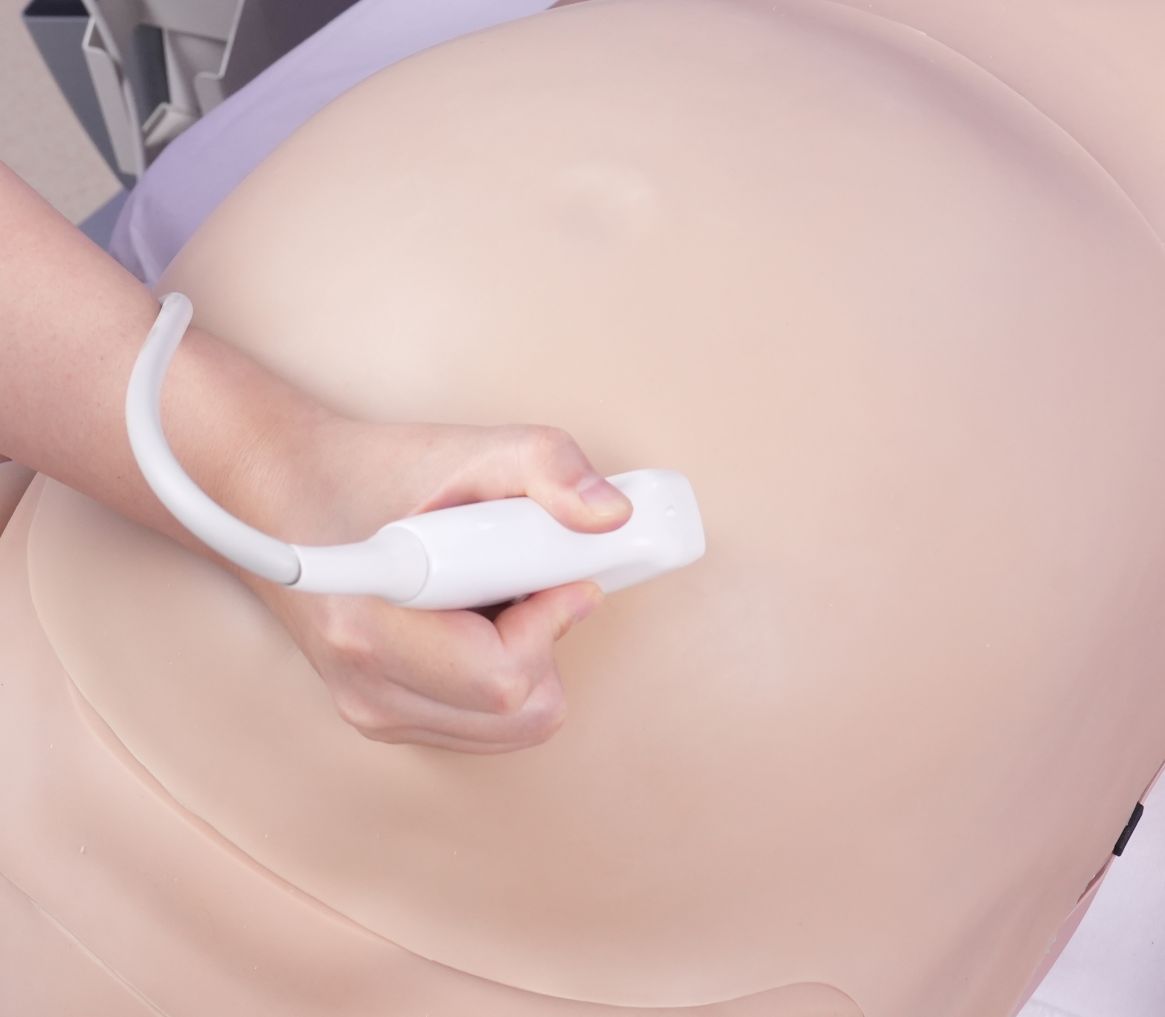
Adaptability isn’t optional anymore-it’s essentialin medical simulation. Future childbirth simulators are all about modular design. Picture this: instructors can swap in different modules for vaginal delivery, C-section, ultrasound checks, or postpartum emergencies. Instructors get the freedom to change scenarios on the fly, and institutions don’t have to shell out for a whole new system every time something updates. Just upgrade the parts they need. Plus, these simulators hook up with real hospital equipment—actual ultrasound machines, for example-so teams practice with the same gear they’ll use in real cases.
3. A Comprehensive Postpartum Complication Suite
Labor and delivery get a lot of attention, but some of the most dangerous situations actually happen after the baby’s born. Advanced childbirth simulators in 2026 don’t ignore postpartum emergencies—they come with dedicated features for life-or-death events like postpartum hemorrhage. Where old models just spilled fake blood, new simulators let you adjust bleeding rates tied to causes like uterine atony. Trainees can practice everything during the obstetric training, from massage to medication, and the simulator responds in real time, showing how effective those actions are. This kind of immediate feedback gets teams ready for every stage of care, not just the delivery itself.
4. AI-Driven Performance Evaluation and Analytics
In 2026, AI-powered analytics are standardin obstetric training. Machine learning breaks down trainee performance by the numbers: How fast did they spot fetal distress? Did they follow the right steps for shoulder dystocia? Did they get medication doses right? No more relying on subjective instructor opinions. Every session turns into hard data and clear targets for improvement, giving every trainee a fair shot at excellence.
5. Drug Response Simulation for Pharmacological Training
Getting comfortable with medications is just as importantto effective obstetric training. Modern simulators come loaded with massive drug response libraries. You want to see what happens when you give oxytocin? The simulator shows the contractions ramp up. Push too much, and you’ll run into real complications like tachysystole or fetal distress. It’s not just theory anymore; teams actually see and manage the consequences, which is exactly how they build real clinical skill during obstetric training.
Conclusion
So what makes a 2026 childbirth simulator stand out? It’s all about integration and intelligence. These new models tie in dynamic patient physiology, the whole clinical journey from labor to tricky postpartum events, and smart, AI-driven feedback. Investing in one isn’t just about checking off the latest tech box. It’s about making sure teams are ready for the tough, real-world calls that truly matter in maternal care. If you’re serious about great outcomes, picking a simulator with these features is just common sense.